Add To Wishlist
Product
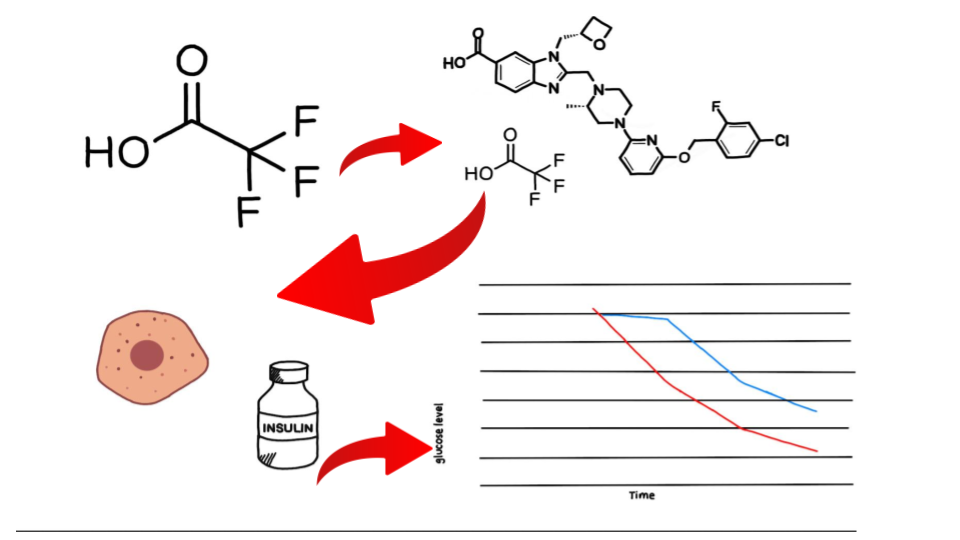
Designing a reliable peptide research protocol requires careful planning, accurate documentation, and consistent methodology. Whether studying receptor binding, cellular signaling, or tissue response, a well-structured protocol improves reproducibility and data quality.
Start with a specific question or hypothesis. Identify the peptide, concentration range, model system, and endpoints you intend to measure. Clear objectives make it easier to select appropriate controls and statistical methods.
Every experiment should include positive and negative controls. Vehicle-only controls help account for solvent effects, while reference standards can validate assay performance and detection sensitivity.
Use consistent preparation methods, calibrated equipment, and standardized handling procedures. Reproducible results strengthen confidence in research findings and make it easier to build on previous work.
Explore best practices for planning peptide research protocols, including objective…
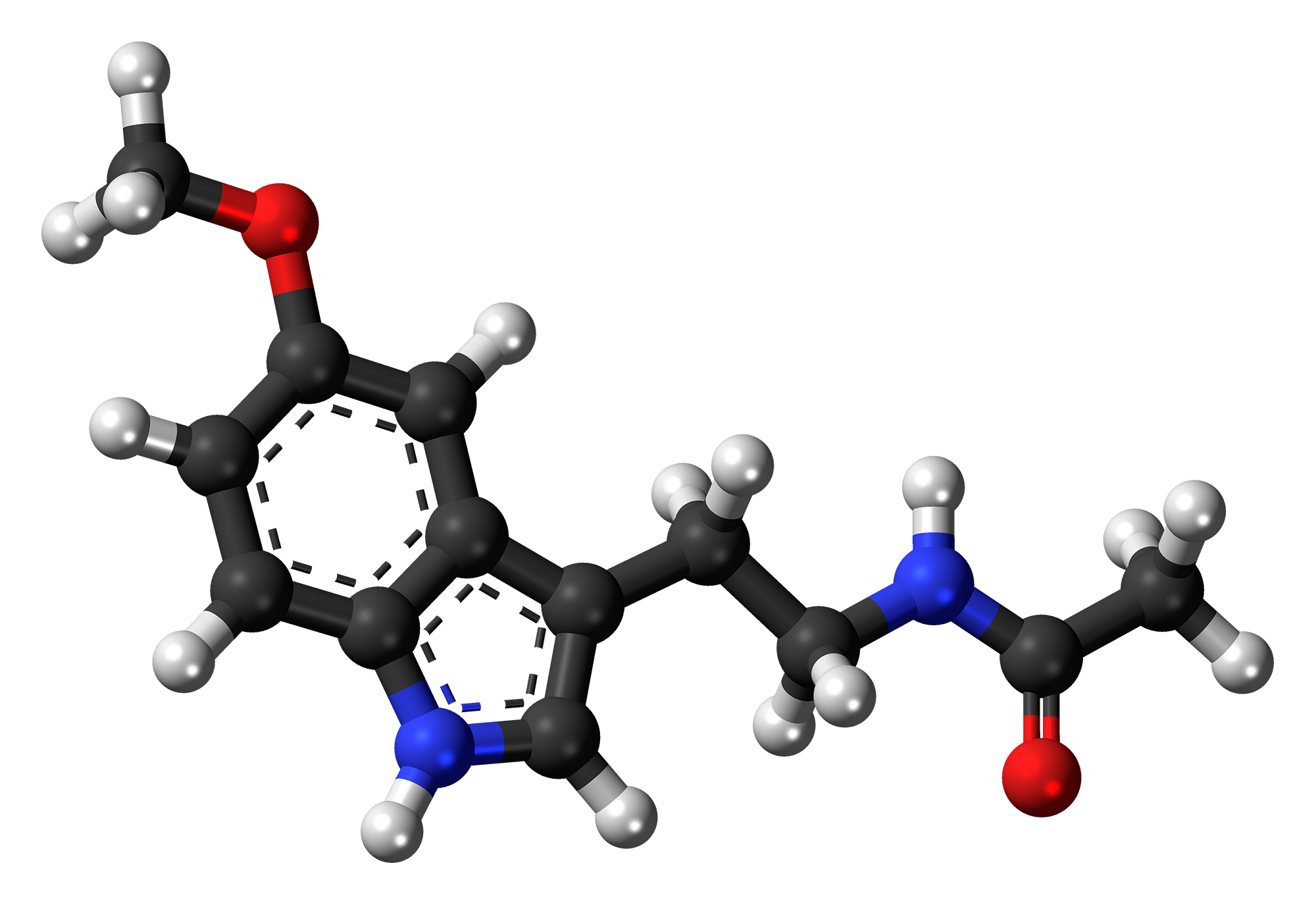
A research-focused overview of BPC-157 and TB-500, two peptides commonly…
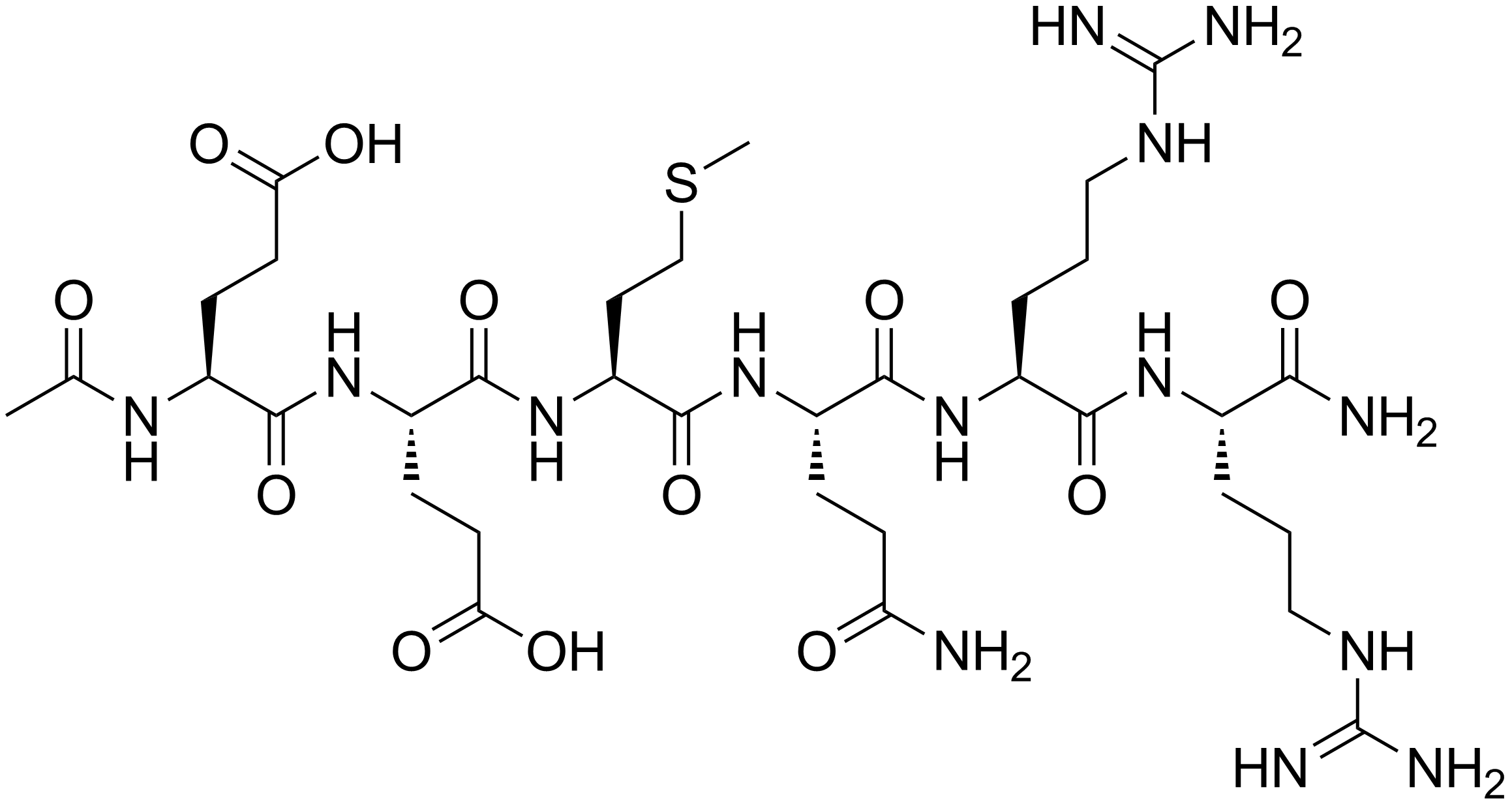
Learn why peptide purity is essential for reliable research and…
Leave a Reply