Add To Wishlist
Product
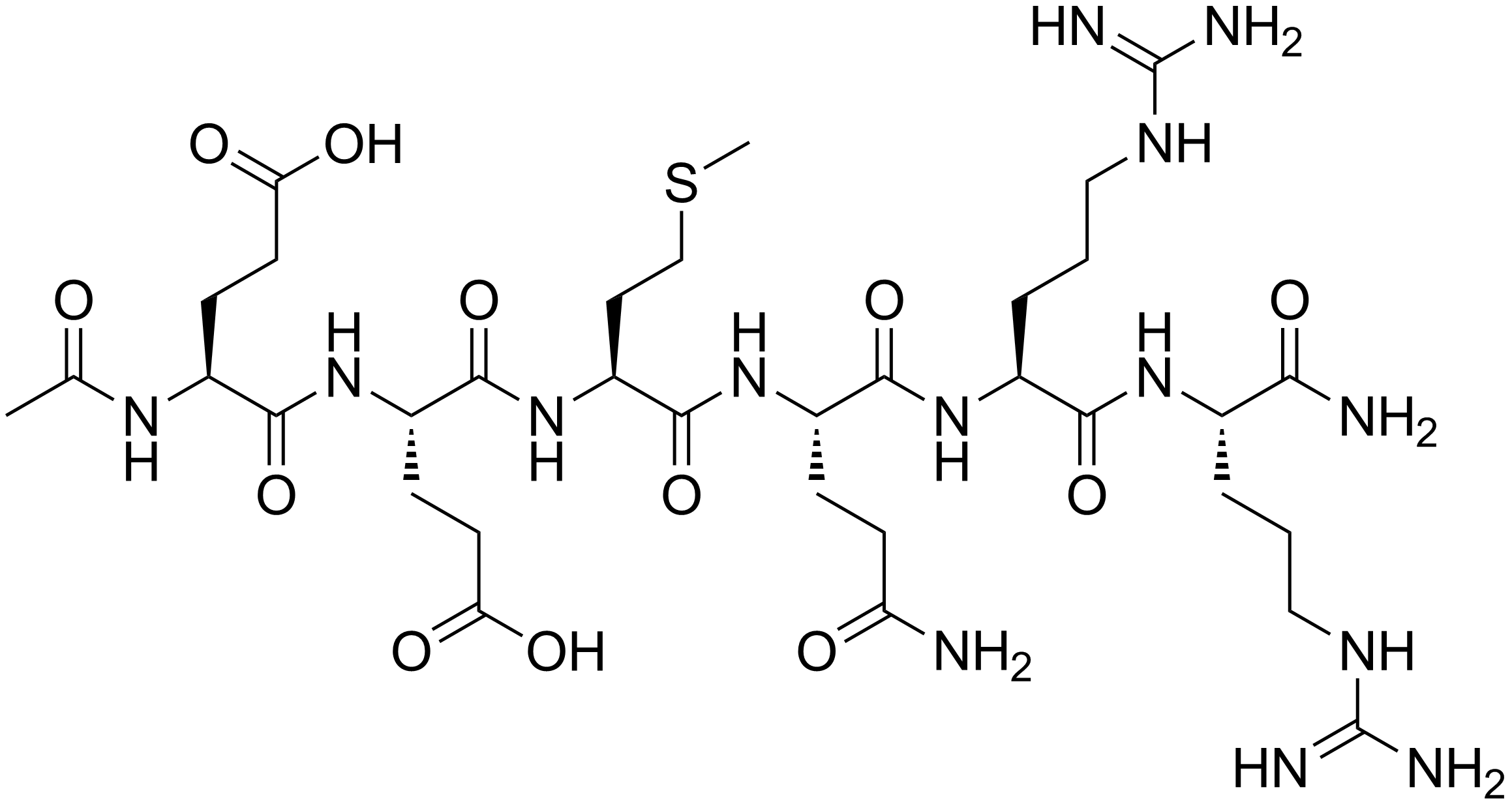
Peptide purity is one of the most important factors in research applications. The presence of impurities, truncated sequences, or side products can interfere with assays, produce inconsistent data, and lead to unreliable conclusions.
Purity is typically assessed using high-performance liquid chromatography (HPLC) and mass spectrometry (MS). HPLC separates peptide components based on chemical properties, while MS confirms the molecular weight and identity of the target compound.
Researchers should look for suppliers that provide detailed quality documentation, including HPLC and MS analytical data. Transparency about manufacturing standards and batch testing supports confident experimental design and reproducible results.
Explore best practices for planning peptide research protocols, including objective…
A research-focused overview of BPC-157 and TB-500, two peptides commonly…
Learn why peptide purity is essential for reliable research and…
Leave a Reply